History of MCV Part 2 of 5
VILLAGE OUTREACH
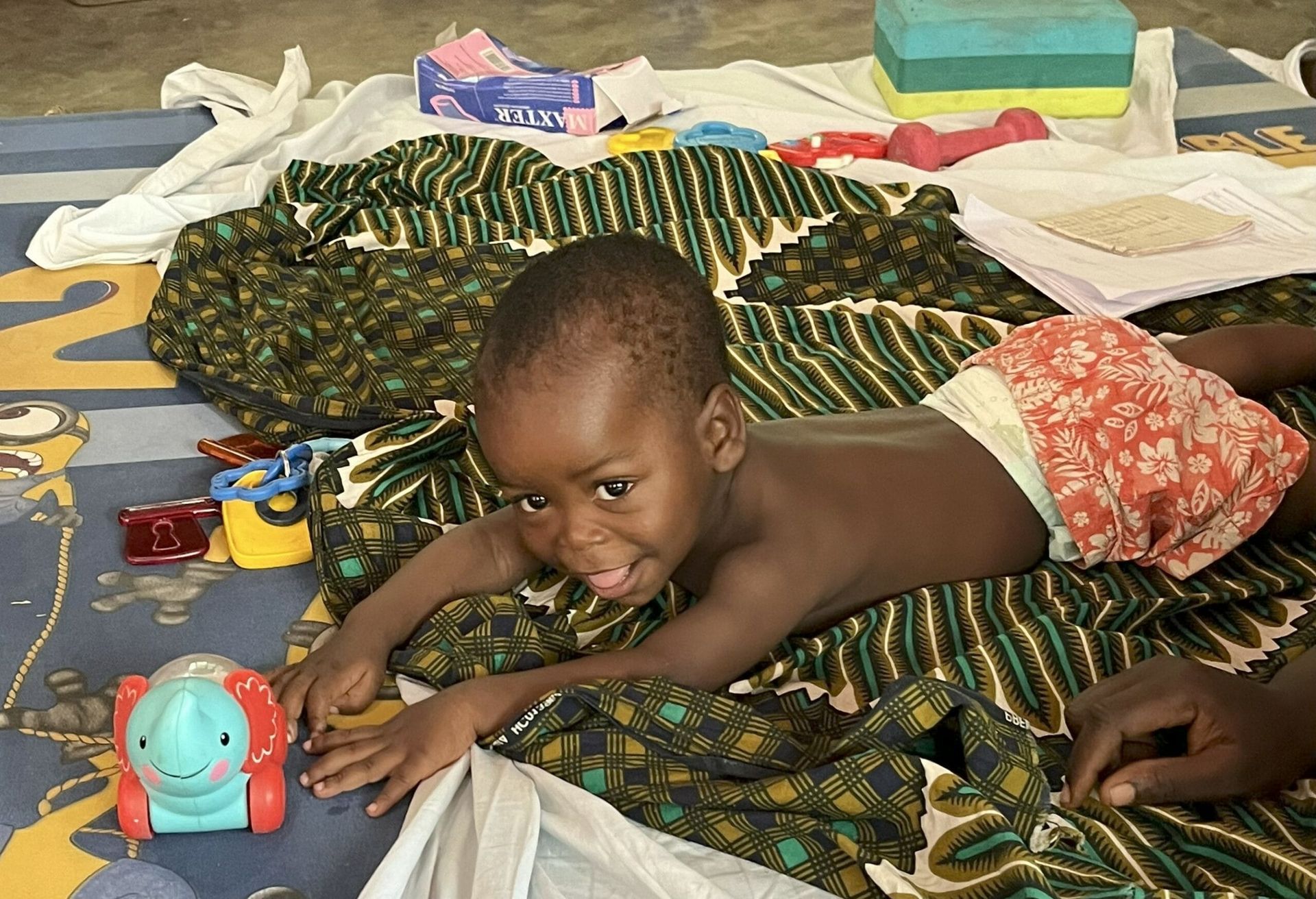
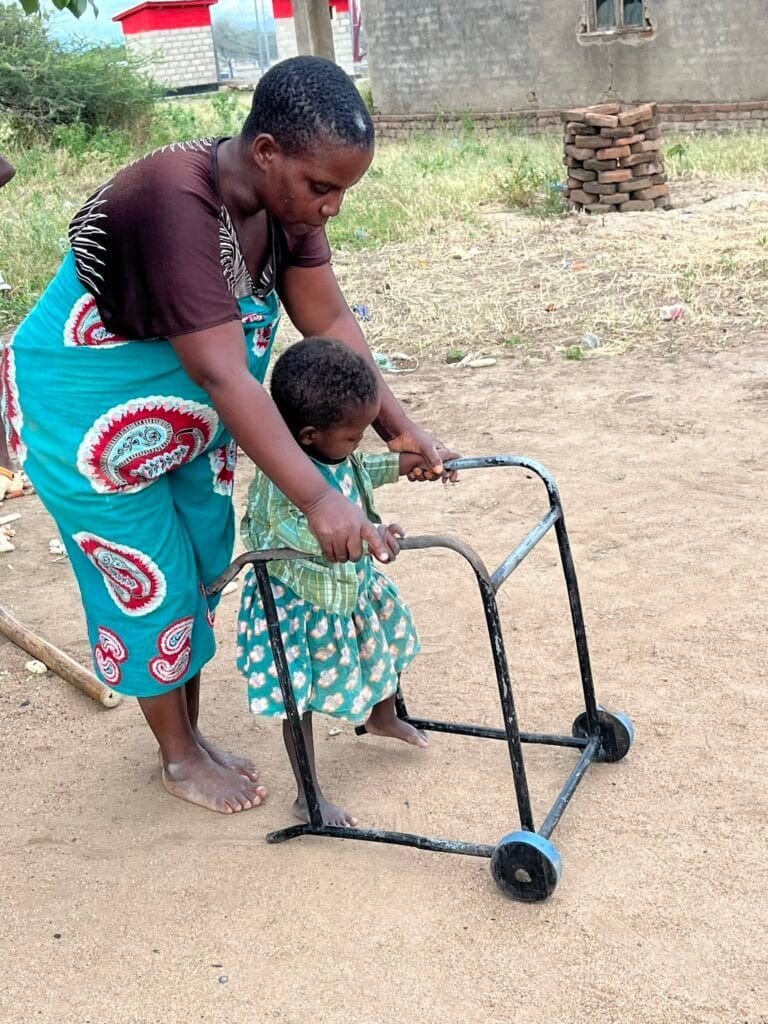
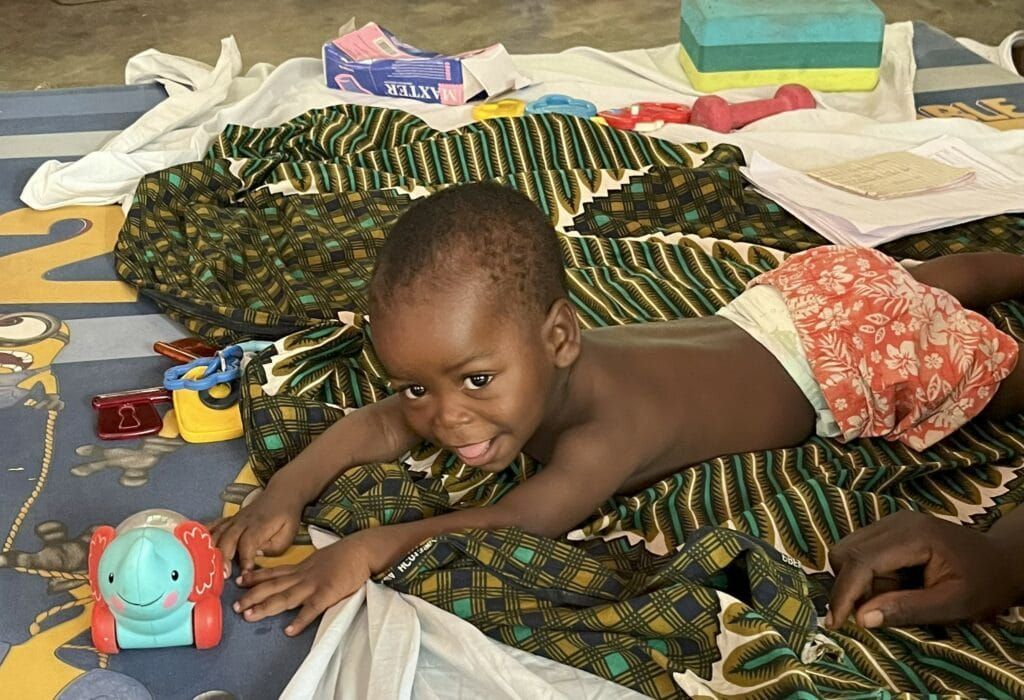
Village outreach is the cornerstone of MCV’s program. The orphans live in the villages, and they are raised by relatives or villagers willing to incorporate them into their families. MCV’s primary goal is to make sure these families receive as much healthy assistance that we can provide. Foremost among these needs are health care, access to education, good nutrition, and periodic visits by Malawian MCV staff to track the positive growth, both physical and emotional, of the orphans.
Soon after MCV was established, Florence Kondwani and Catherine Shabani were hired to focus on tracking the success and health of the roughly 3,000 orphans living in the villages, visit with the families caring for the orphans, keep in touch with each village chief, work closely with the village volunteers, and provide assistance to help whenever possible.
The most feared disease in Malawi, other than HIV/AIDS, is malaria. But there is an evil relationship between these two most frightening diseases in the developing world. They thrive together. HIV infected people are more susceptible to malaria, and malaria reduces defense against the HIV infection. This is true for people of all ages, but particularly for vulnerable children. An early and continuing priority of the outreach program carried out by Florence and Catherine has been the battle to control malaria, a constant evil that can kill a child by a single mosquito bite.
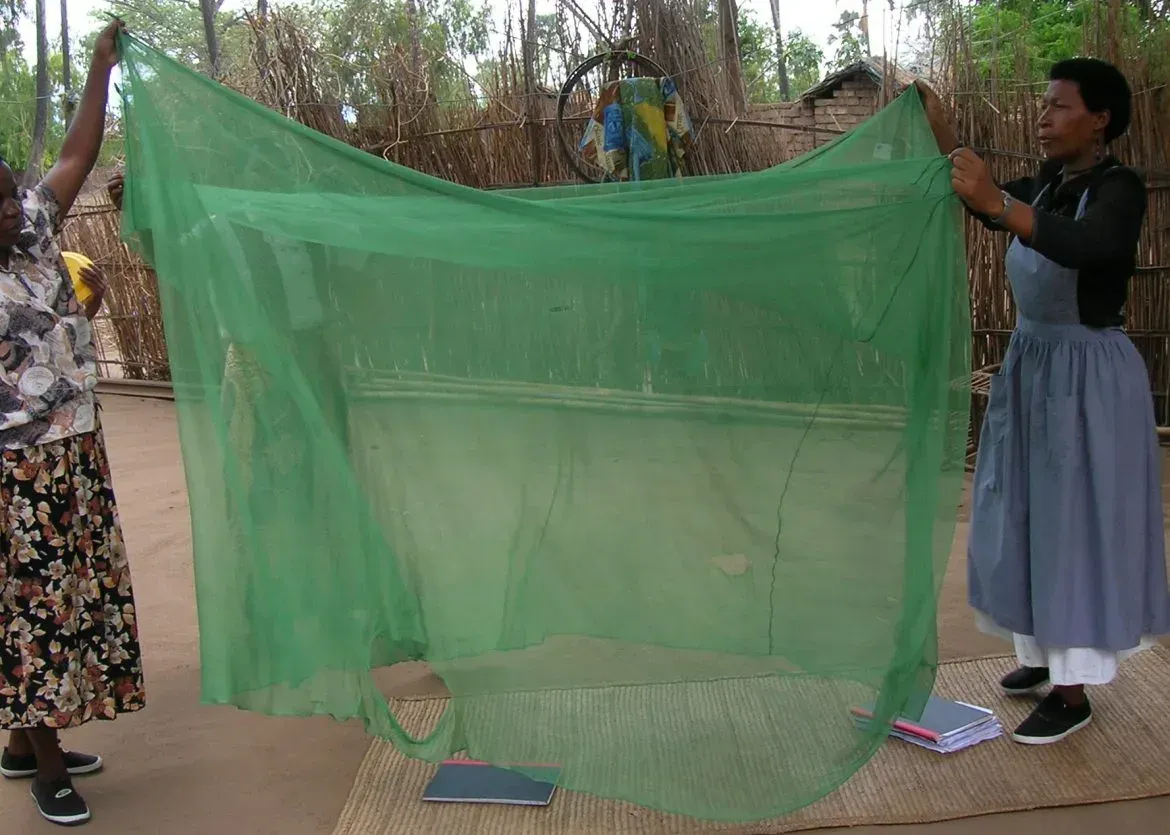
What Americans call “mosquito nets” most the rest of the world, including Malawi, call “bednets.” The Gates Foundation initially subsidized a worldwide initial effort to begin a bednet distribution. Subsequently the Kansas City Rotary Club provided a substantial and life-saving grant for the purchase of a generous supply of bednets specifically for the MCV catchment area. Catherine and Florence distributed and explained the proper use of the bednets in each of the villages. They stressed the importance of using these nets only for nightly mosquito protection rather for any other purpose.
The results have been dramatic! In 2005, the early childhood death rate in Malawi was 4.5 deaths per 100 children ages 0-5. The 2004 MCV household survey, an important project for Florence with the assistance of Catherine, indicated that 40% of the deaths in children under 5 were from malaria. In 2004, the year before bednets were introduced, 210 children in the MCV catchment area developed malaria. The first distribution of 216 bednets were introduced in 2005, and the malaria cases of children decreased to 173. The following year, 2016, the use of bednets increased to 919, and the childhood malaria cases were reduced to 31, an 82% decline in the number of malaria cases in these children. It is planned and hoped that the program will continue forever.
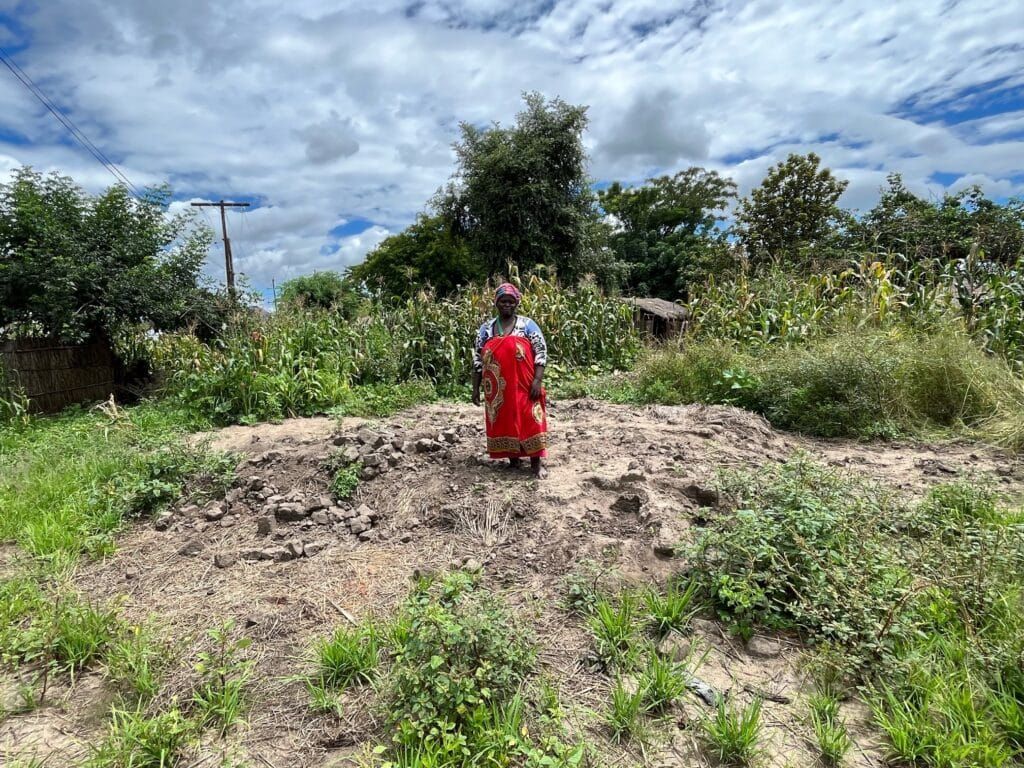
Climate issues have a devastating effect on Malawi villagers. Droughts and flooding are becoming more and more frequent and unpredictable. The primary crop in Malawi is maize (corn), which is the most important food source throughout Malawi. A good maize crop requires sufficient rain and sunshine to flourish. When there is drought or flooding, the maize crop dies or is washed away. “Nsima” is the staple food across Malawi. It is the basis of nearly every meal. Nsima consists of large quantities of finely pounded maize mixed with boiled water. The nsima is then combined with “ndiwo”, either vegetables, beans, fish, or other meat when available. Since nsima is consumed at least twice a day, a family of four will consume one or two 50 kg (110 pounds) bags of maize per month. If the maize crop is either completely destroyed or severely damaged, the result is massive starvation in the villages. The MCV outreach program keeps a large store of 50kg nsima bags, and during these desperate times, the MCV outreach program provides the necessary maize to its 36 villages to diminish the starvation.
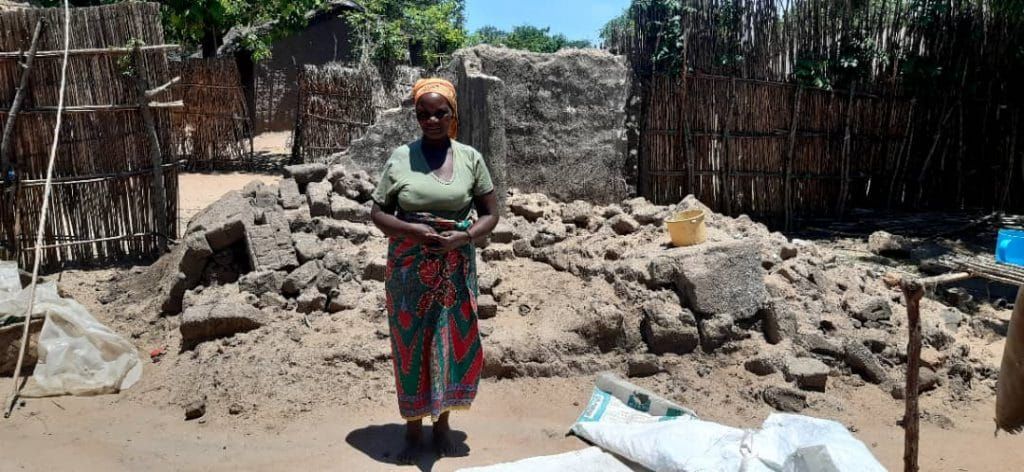
Flooding is also a constant threat to the village dwellings during the rainy season. A severe flood can destroy many of the homes in a village, and when this happens the outreach program does whatever it can to help rebuild homes, fix leaking roofs and walls, and provide temporary relief from the families affected.
AGRICULTURE AND IRRIGATION
Most Malawian villagers rely on subsistence farming, and this requires a reliable water supply. This can be challenging even when the rains are reliable but somewhat irregular. Traditionally, farmers rely on the five-month rainy season to produce enough maize and other produce to provide year-round family subsistence. While the rains may be adequate in a majority of years, there are often years when inadequate rains lead to hunger and famine.
Irrigation is an obvious solution, but it is not easy in Malawi. While Lake Malawi, the sixth largest fresh water lake in the world, traverses one side of the country, sources of water inland are scarce. In addition, there is a longstanding cultural aversion to irrigation practices.
From its inception, MCV has advocated for irrigation in its catchment area. As a demonstration, gardens were established at the MCV campus, using electric pumps donated by American Rotary Clubs to draw water from nearby Lake Malawi. While the advantages of irrigation were demonstrated, the practice remained impractical without easily available sources of water.
Mike Hill, a former Peace Corps Volunteer, and Jerry Turner, a former government fish population consultant, spent several years in the catchment area providing education regarding irrigation. With donated gas pumps, they initiated several irrigation schemes in areas with access to small rivers and streams.
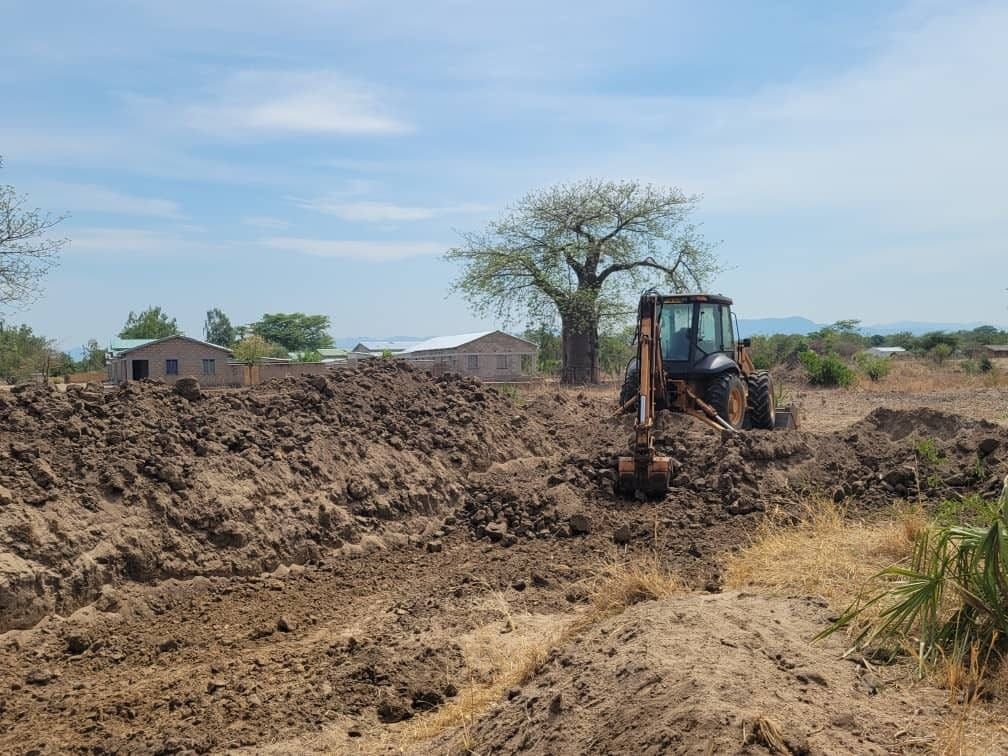
The introduction of treadle pumps (human-powered pumps working similarly to a stair-stepping exercise machine) allowed irrigation to expand. By digging shallow wells, inserting concrete cylinders, and topping them with treadle pumps, it became possible to use ground water to irrigate up to 200 yards. With a donation of 300 treadle pumps (from Rotary Clubs in upstate New York and Kansas City) the concept spread across the catchment area. Over the years, however, the use of treadle pumps has waned.
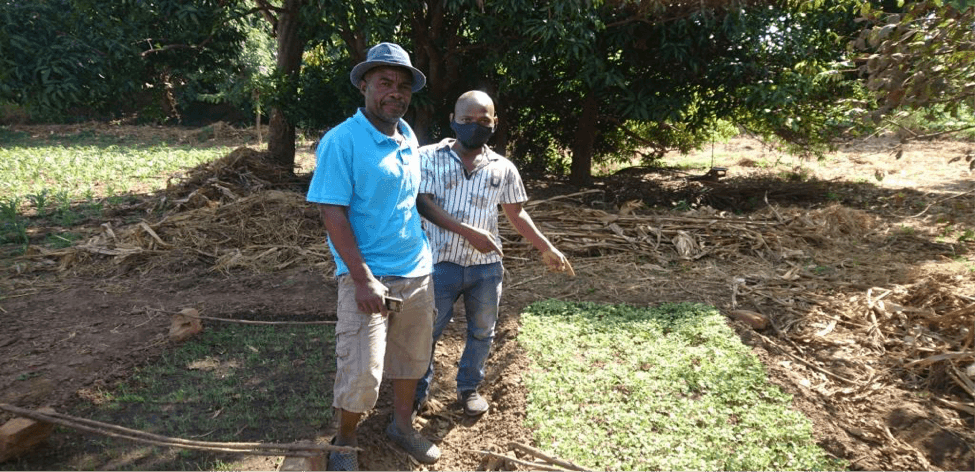
Another infusion of interest took place when the Seneca Falls NY Rotary Club undertook an educational initiative in the catchment area, including supporting a full-time MCV Agricultural Specialist. Dyson Magumbo, an MCV orphan “graduate” with an agricultural degree, was the first to fill the position. A few gas pumps were donated for use in villages with access to rivers or streams. And finally, “farm festivals” were held to encourage better farming practices.
Despite all these efforts, the number of irrigation schemes in the catchment area has grown only to 19. And many of these include just a few farmers. Even though the future of irrigation is in doubt, MCV remains committed to expanding the concept wherever and whenever possible.
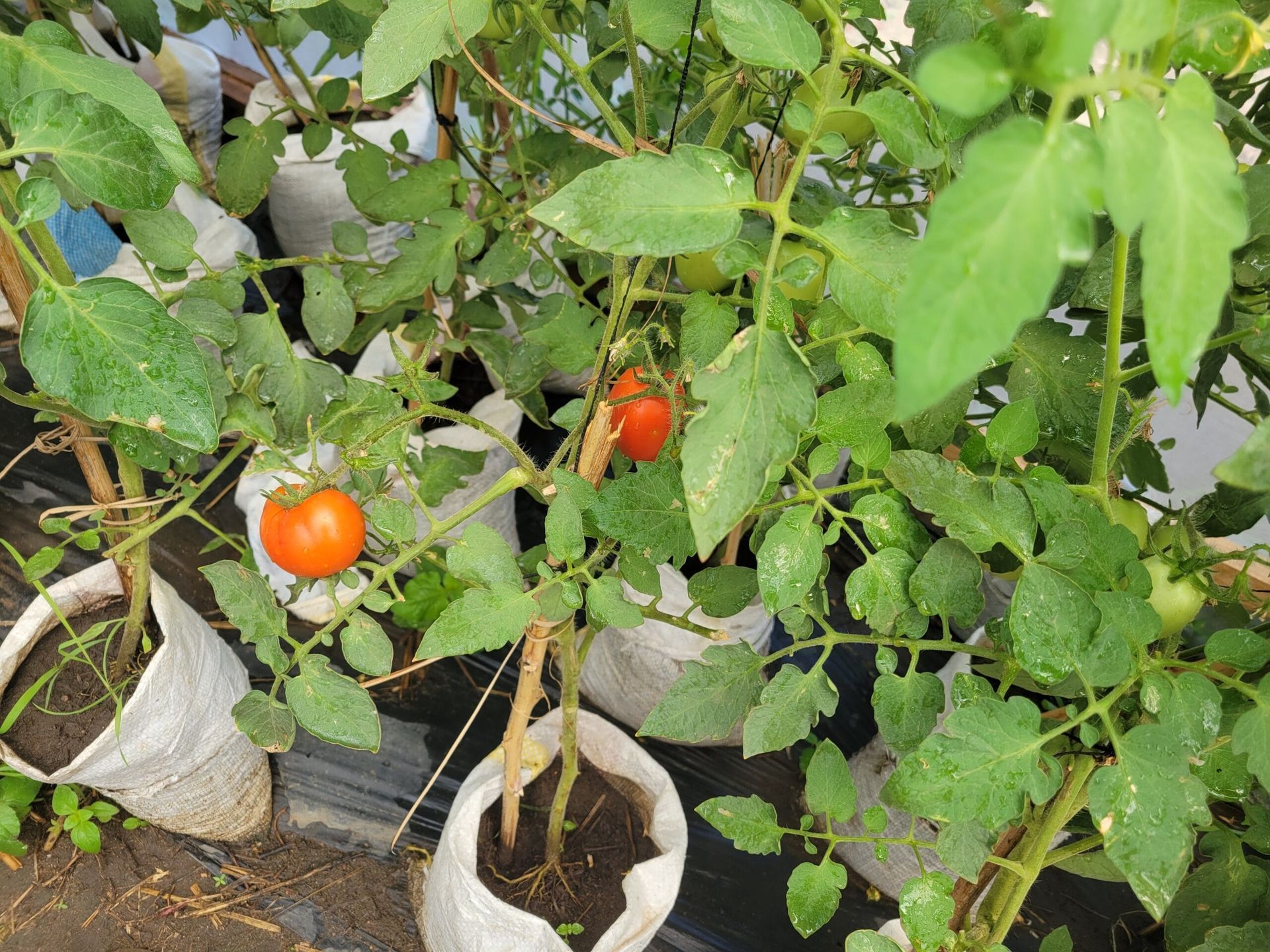
Another immediate need was to make sure the village families caring for the orphans could have seeds for their family gardens. A modest seed program was begun to provide hybrid maize (corn) and a small bag of fertilizer to each village household so that they could have small gardens that would provide food.
An important priority for any country is food security. Malawians are excellent farmers considering that the typical village farmer has no electricity, gas-powered equipment, little or no irrigation, unpredictable rainfall, or access to specialized seeds. As mentioned in the Outreach section, rains are fickle: sometimes there are no rains, even in the “rainy” months of November through February; sometimes sporadic; other times flooding or just too much rain. It’s also clear that climate change, especially the frequent extreme heat in October, is making the growing season more and more unpredictable.
Felix Semu is now MCV’s Agricultural Specialist and there are many successful programs under his watch.
Climate issues are not the only enemy to Malawi village gardeners. A recent invasion of armyworms has attacked Malawi. This voracious caterpillar can destroy a complete crop of maize in a matter of hours.
To see other parts to this series, please visit our website.
The post History of MCV Part 2 of 5 appeared first on Malawi Children's Village.